
The Apple Watch is designed to handle everyday splashes, sweat, and even short periods of water exposure. However, it’s important to understand that Apple’s warranty does not cover water damage even for the latest models. While the watch is built to resist water and dust, this protection isn’t permanent and can weaken over time due to regular wear and tear.
👉 Let’s see what the Apple community discusses about this.
If your Apple Watch ever requires repairs, its water resistance may be compromised. Opening the watch for servicing, replacing parts, or screen repairs can break the factory seal, making it no longer waterproof. After any repair, it’s best to avoid exposing your watch to water, even if it previously handled it well.
At iWatchRepair.co.uk, we always advise customers not to use their repaired Apple Watch in water, as water damage can be costly and irreversible.
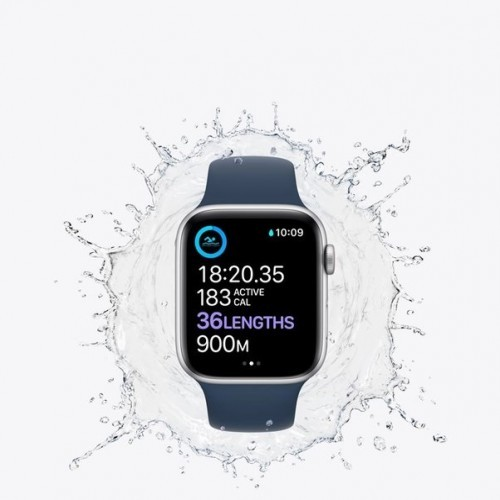
Common Signs of Water Damage in an Apple Watch
Water damage can be tricky to identify at first. Here are a few telltale signs that water might have affected your Apple Watch:
-
Visible Water:
If you notice even a small amount of water inside your watch screen or around the edges, it indicates that moisture has entered the device. -
Condensation:
Fogging or misting under the glass or on the display is a strong indicator of internal moisture. This should be addressed quickly before corrosion occurs. -
Musty Odour:
A faint, musty smell can suggest trapped moisture or the beginning of mould buildup inside the casing.
If you spot any of these symptoms, avoid using the device further and get it checked by a professional Apple Watch repair service.
How to Keep Your Apple Watch Safe Around Water
To keep your Apple Watch safe and functional for years, follow these steps especially if your watch is new and hasn’t been repaired before. Please note:
📌 These tips may not apply to older or repaired devices, as their water resistance cannot be guaranteed.
1. Activate Water Lock
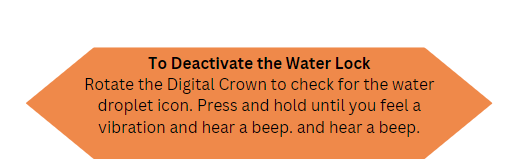
When you’re about to swim or shower, enable the Water Lock feature.
-
Swipe up on the watch face to access the Control Center.
-
Tap the water droplet icon.
-
The Water Lock symbol will appear on your screen, preventing accidental touches during water exposure.
👉 Let’s see what Apple says about Water Lock and how it helps protect your watch.
2. Power Off and Dry the Watch
After water exposure:
-
Turn off your Apple Watch.
-
Gently wipe the exterior with a soft, lint-free cloth including the screen, buttons, speaker port, and corners.
-
Allow it to air dry naturally.
Avoid using hair dryers or heaters, as heat can damage the internal components and seals.
3. Power On and Check for Damage
Once your watch is completely dry:
-
Power it on.
-
Test the touchscreen, Digital Crown, speakers, and heart rate sensor.
If any features act abnormally, it might indicate hardware or water damage, and it’s best to visit a qualified service provider like iWatchRepair.co.uk for diagnosis and repair.
Conclusion
The Apple Watch warranty does not cover water damage, even though the device is marketed as water-resistant. This resistance can fade over time and is often lost after a screen repair or internal service.
If your watch is brand new, you can still enjoy light water activities within Apple’s recommended limits. However, for older or repaired watches, it’s safest to keep them dry. Using them in water may lead to severe internal damage — repairs for which can be as costly as buying a new device.
At iWatchRepair.co.uk, we believe in transparency and long-term care for your device. We provide affordable Apple Watch repair services across the UK and always prioritise your satisfaction and device safety.
Need help with your Apple Watch repair or advice about water damage?
📱 WhatsApp: Message us directly
📞 Phone: 020 8064 2362
📧 Email: info@iwatchrepair.co.uk
Visit iWatchRepair.co.uk — your trusted professionals for Apple Watch screen repair, battery replacement, and diagnostics in the UK.